Choosing a style matters as much as choosing a design. It affects how your tattoo looks, how it ages and which artist you should book with. Here's a quick guide to the styles we tattoo most.
Black and grey realism
Smooth shading in black and grey washes to create photo-like depth: portraits, animals, statues and detailed scenes. It suits medium to large pieces, where there's room for detail to stay clear as the tattoo ages.
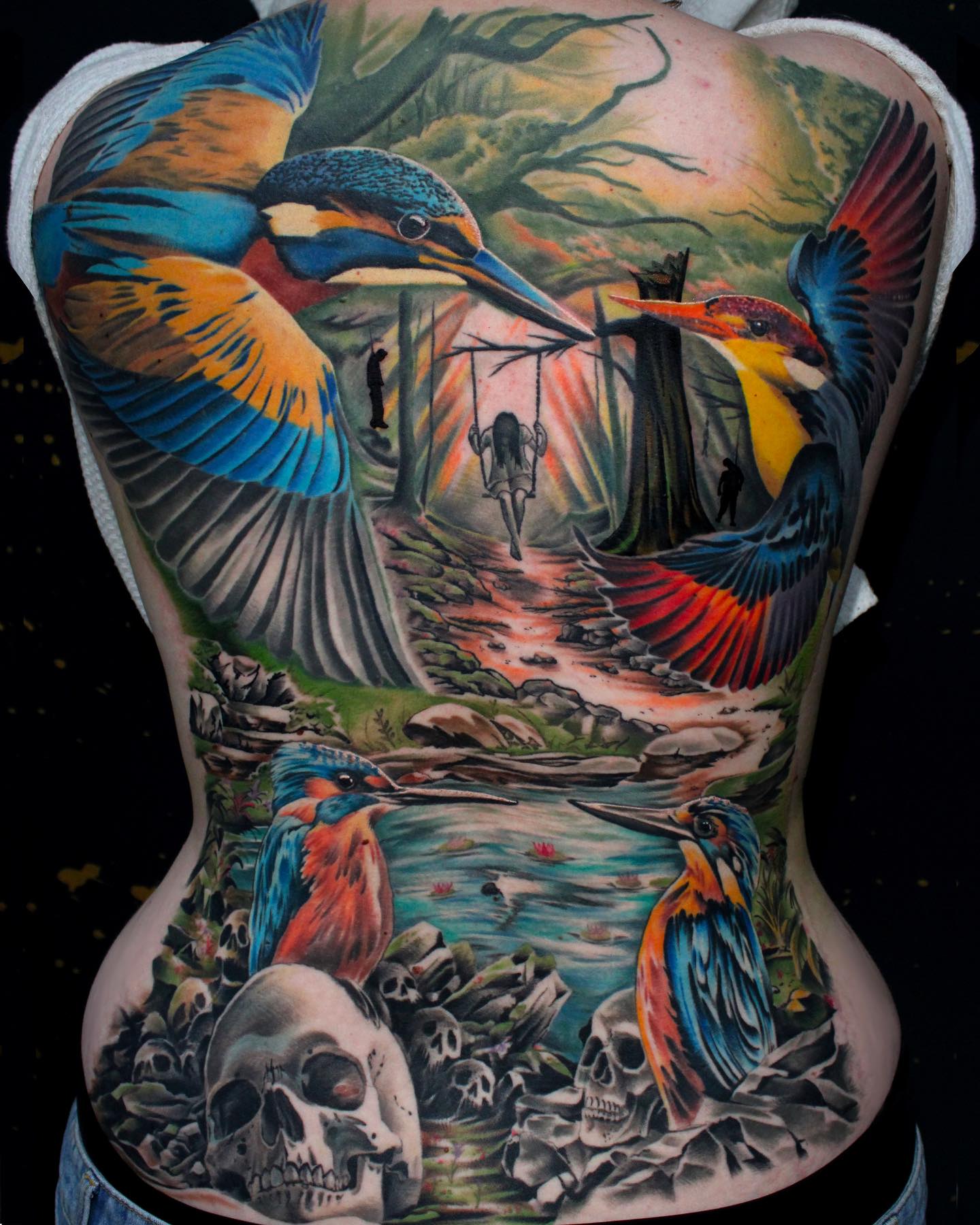
Colour realism
The same idea as black and grey realism, in full colour. It's striking, but it needs size to work and takes more sessions. Sunscreen keeps it vibrant.
Traditional
Bold black outlines, a limited palette and iconic imagery like swallows, daggers, roses and panthers. Traditional tattoos age incredibly well, because bold lines and solid colour hold up over decades.
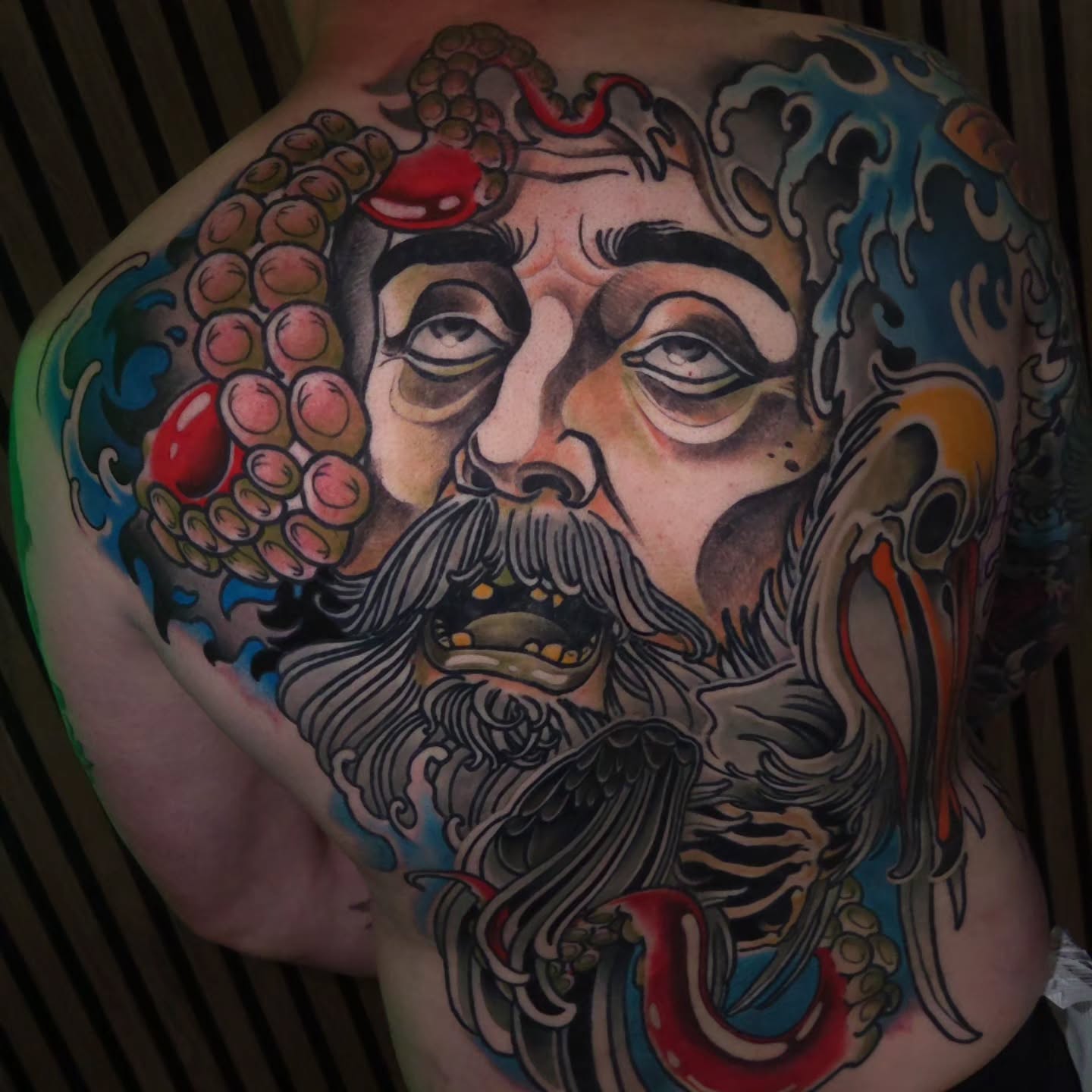
Neo-traditional
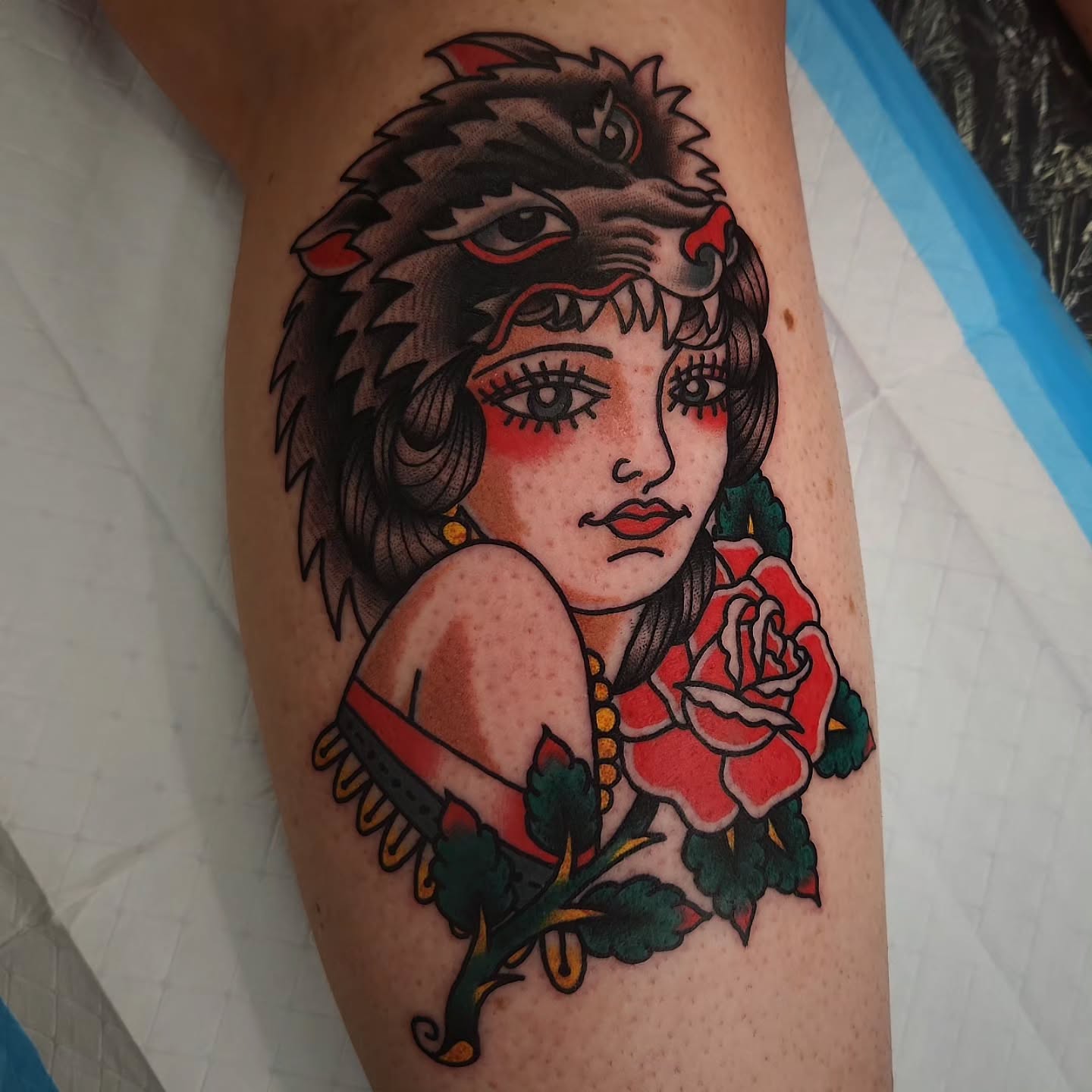
Traditional's bold foundations with more detail, depth, varied line weights and a richer palette. A great middle ground if you love the classic look but want something more illustrative.
Blackwork
Solid black, bold patterns, ornamental and graphic designs. Clean, striking and very durable.
Script and lettering
Names, dates, quotes and custom lettering. Good script is all about spacing and line quality. Very small lettering can blur over time, so let your artist guide the size.
Fine line
Delicate, thin lines and minimal shading. It's beautiful and popular, but fine line work needs a steady hand, and very tiny details can soften as the skin ages. Going slightly bigger helps it last.
Japanese
Large, flowing compositions built around traditional Japanese imagery like koi, dragons, geishas, waves and flowers. Japanese work is designed to fit the body, so it shines as a sleeve, back piece or leg piece.
Illustrative
A broad style that looks like a drawing or illustration: etching-style lines, sketchy textures or painterly effects. It's a great fit if your idea doesn't sit neatly in one box.
Size, placement and style
Some styles need room. Realism and Japanese work look their best at a decent size, because detail needs space to stay readable as the skin ages, while script, fine line and simple blackwork can go almost anywhere. Your artist will suggest a size and placement that suits the style, so it still looks sharp in ten years.
Match the style to the artist
Every artist has a specialty, so the best results come from booking the right person:
- Dayne: owner and lead artist. Black and grey, colour, and large or small scale work across most styles.
- Mike Joy: blackwork and script, and takes walk-ins.
- Joe: traditional and neo-traditional.
Not sure who's right for you? Send us your idea and we'll match you with the best artist for it.
Frequently asked questions
Which tattoo style ages best?
Bold styles like traditional and blackwork tend to age best, because strong lines and solid fills hold up well as skin changes. Very small, fine detail can soften over time.
What's the difference between traditional and neo-traditional tattoos?
Traditional uses bold outlines, a limited colour palette and classic imagery. Neo-traditional keeps the bold foundations but adds more detail, depth, varied line weights and a wider palette.