This tattoo pain chart is based on what we see in the studio every week. Everyone feels it differently, but the pattern is pretty consistent. Spots with thin skin, bone close to the surface or lots of nerve endings tend to hurt more. Spots with more muscle and padding tend to hurt less.
The most painful places to get tattooed
- Ribs and sides: thin skin over bone, and your breathing moves the area. This is the classic tough one.
- Sternum and chest centre: bone right under the skin, and the vibration is noticeable.
- Feet and ankles: very little padding and lots of nerve endings.
- Hands and fingers: thin skin and very sensitive.
- Spine: bony, and the vibration travels.
- Behind the knee and the elbow ditch: soft, thin and sensitive.
- Armpit and inner bicep: sensitive skin that rarely sees the sun.
- Head, face and front of the neck: thin skin over bone.
Medium spots
- Shoulder blades and upper back: mostly comfortable, spicier over the bone.
- Knees and elbows (the bony point): short bursts of sharpness.
- Inner forearm and wrist: more sensitive than the outer forearm.
- Stomach: depends a lot on the person.
The least painful places to get tattooed
- Outer forearm: one of the easiest spots, which is why it's so popular for first tattoos.
- Outer upper arm and shoulder: good padding, low nerve density.
- Outer thigh and front thigh: lots of room and muscle.
- Calf: comfortable for most people.
- Upper back (away from the spine): a big, steady area that suits larger pieces.
Does colour or black and grey hurt more?
The style matters less than the time it takes. Solid colour and dense black fills can mean more passes over the same skin, which builds up tenderness. Soft black and grey shading is often gentler per minute, but realism pieces can take longer overall. Ask your artist how long your piece will take. That's a better guide to how it will feel than the style.
Does size make a difference?
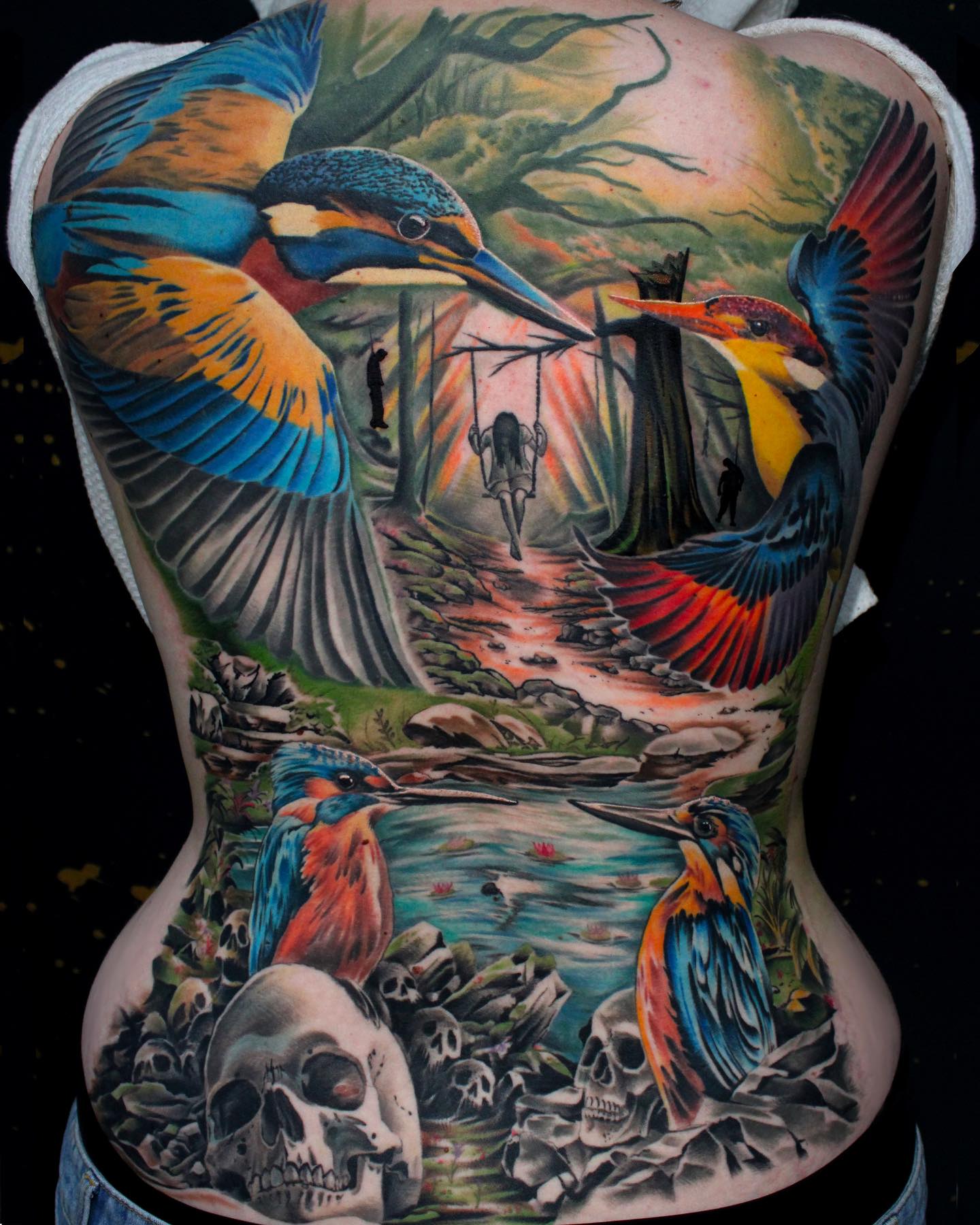
A small tattoo on a painful spot is often easier than a large one on a comfortable spot, simply because it's over sooner. For big pieces on tough areas like the ribs or a full back, we usually split the work into several sessions so you're never pushed past what's comfortable.
Why some sessions hurt more than others
Placement is only part of it. These make a big difference too:
- How long you sit: the skin gets more sensitive as a session goes on.
- Sleep, food and hydration: being tired or hungry makes everything feel worse.
- Alcohol and hangovers: skip drinking for at least 24 hours beforehand.
- Line work vs shading: outlines usually feel sharper. Shading feels more like a dull scratch.
- Nerves: the first ten minutes are almost always the worst. It settles.
How to make a painful spot easier
- Book a shorter session, or split a big piece over a few sittings.
- Eat a proper meal and bring a sugary drink and a snack.
- Ask for breaks. Your artist would rather you rest than move.
- Breathe slowly and steadily, especially on ribs.
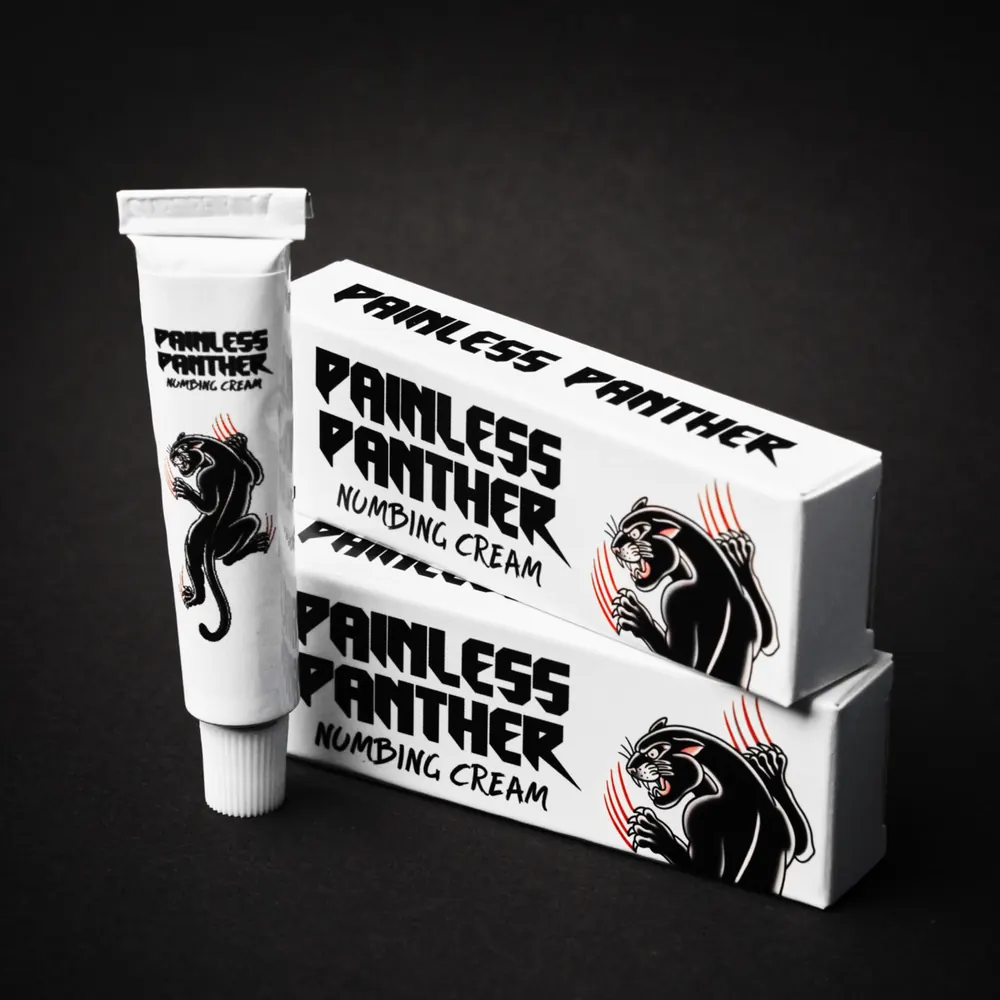
- Consider a topical numbing cream, and tell your artist beforehand. Our numbing cream guide covers how to use one.
Frequently asked questions
What is the most painful place to get a tattoo?
Ribs, sternum, feet, hands, spine and behind the knee are generally considered the most painful, because the skin is thin, bone is close to the surface or there are lots of nerve endings.
What is the least painful place to get a tattoo?
The outer forearm, outer upper arm, shoulder, outer thigh and calf are usually the most comfortable spots, thanks to more muscle and padding.
Does tattoo pain get worse during a long session?
Usually, yes. Skin gets more sensitive the longer you sit, which is why breaks, food and splitting big pieces over several sessions all help.